

Financial markets have become increasingly accessible to individual investors across the Middle East and North Africa. As technology continues to reshape investing, many people are exploring opportunities beyond traditional savings accounts, real estate, and local stock exchanges. Among these opportunities, forex trading has attracted significant attention due to its accessibility, liquidity, and global reach.
For beginners, however, the foreign exchange market can appear complex and intimidating. Currency values fluctuate constantly, market terminology can be unfamiliar, and the sheer volume of information available online often creates confusion rather than clarity. Understanding the fundamentals before committing capital is essential. With the right knowledge and realistic expectations, MENA investors can approach forex trading with greater confidence and discipline.
Understanding the Basics of the Forex Market
The foreign exchange market, commonly known as forex or FX, is the global marketplace where currencies are bought and sold. Unlike stock exchanges that operate during specific hours, the forex market functions around the clock during the trading week. This continuous activity allows participants from different regions to trade according to their schedules.
Currencies are traded in pairs, such as EUR/USD or GBP/USD. When traders buy one currency, they simultaneously sell another. The goal is to profit from changes in exchange rates. For example, if a trader believes one currency will strengthen relative to another, they may open a position based on that expectation.
The forex market is also known for its high liquidity, meaning large volumes of transactions occur daily. This liquidity often results in tighter spreads and efficient trade execution. Major financial institutions, corporations, governments, and retail traders all participate in the market, contributing to its dynamic nature.
Why Forex Trading Appeals to MENA Investors
Several factors make forex trading attractive to investors throughout the MENA region. One significant advantage is accessibility. Modern trading platforms allow individuals to access international markets from virtually anywhere with an internet connection. This convenience has lowered barriers that once limited participation to large institutions.
Another appealing feature is the ability to trade global economic developments. Currency values are influenced by interest rates, inflation, economic growth, geopolitical events, and central bank policies. Investors who follow international news often find forex markets particularly engaging because they directly reflect these economic forces.
Many newcomers also seek educational resources to better understand market participation. Before placing their first trade, investors should focus on learning risk management principles, market analysis techniques, and practical trading strategies. Resources that explain how to trade in forex can help beginners build a stronger foundation and avoid common mistakes that often accompany early trading experiences.
Developing a Structured Trading Approach
One of the most important habits for new traders is creating a trading plan. A structured plan outlines entry and exit criteria, position sizing rules, acceptable risk levels, and overall objectives. Without a clear framework, emotional decision-making can quickly undermine long-term performance.
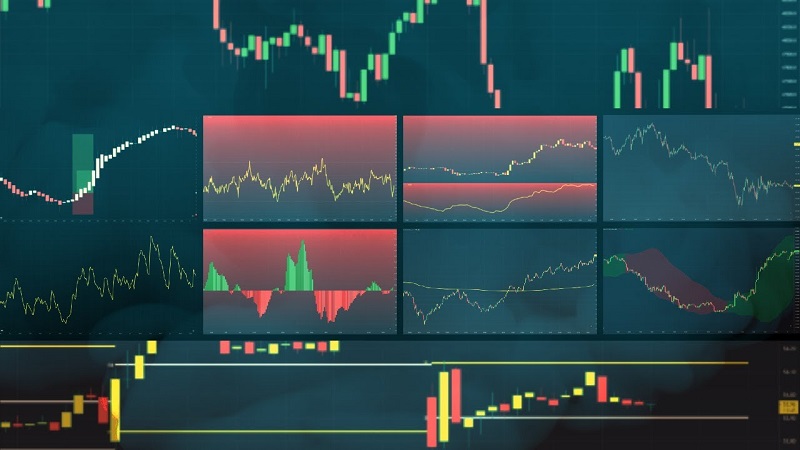
Successful traders typically rely on either technical analysis, fundamental analysis, or a combination of both. Technical analysis focuses on price charts, historical patterns, and indicators to identify potential opportunities. Fundamental analysis examines economic data, monetary policy decisions, and broader market conditions that influence currency movements.
Industry professionals and financial educators consistently emphasise the importance of consistency over prediction. Rather than attempting to forecast every market movement, disciplined traders focus on executing a proven strategy repeatedly. This mindset helps reduce emotional reactions and encourages more objective decision-making over time.
Managing Risk as a Beginner
Risk management is often described as the foundation of sustainable trading. While many beginners focus primarily on potential profits, experienced traders understand that protecting capital is equally important. Even strong strategies can experience periods of losses, making risk control essential for long-term participation.
One common approach involves limiting the amount of capital risked on any single trade. By keeping individual losses relatively small, traders can withstand temporary setbacks without significantly damaging their accounts. Stop-loss orders are frequently used to help automate this process and maintain discipline during volatile market conditions.
Leverage deserves particular attention because it can magnify both gains and losses. Although leverage allows traders to control larger positions with smaller amounts of capital, it also increases exposure to market fluctuations. Regulatory bodies, financial experts, and trading educators routinely encourage beginners to use leverage cautiously and prioritise capital preservation over aggressive growth.
Conclusion
Forex trading offers MENA investors access to one of the world’s largest and most active financial markets. Its accessibility, flexibility, and connection to global economic developments make it an appealing option for individuals seeking broader investment opportunities. However, success requires more than enthusiasm. It depends on education, preparation, and disciplined execution.
For beginners, the most effective path forward is to focus on understanding market fundamentals, developing a structured trading plan, and practising sound risk management. By approaching forex trading with a long-term perspective and a commitment to continuous learning, investors can build the knowledge and confidence needed to participate more effectively in this dynamic global market.