
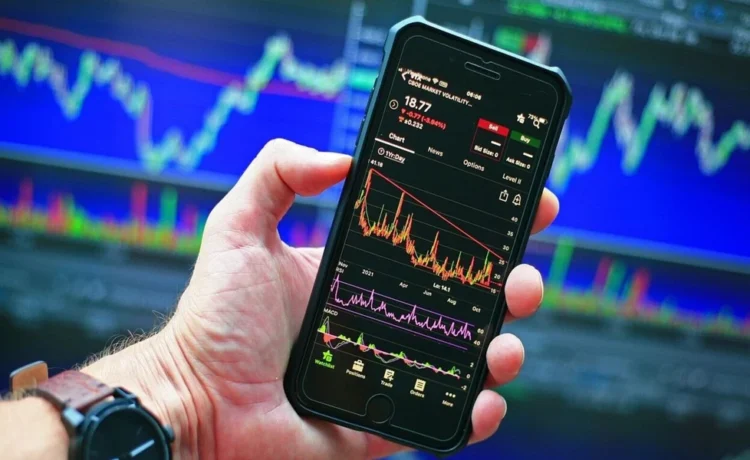
Investing and trading in financial markets have become more accessible with digital platforms. Instead of depending entirely on physical offices or manual processes, investors can now monitor market prices, place orders and review their portfolios through an online trading app.
However, choosing an app should involve more than looking at its appearance or the number of features it offers. Investors should understand how the platform works, what markets it supports, what charges may apply and whether its tools are suitable for their needs.
This guide explains the important aspects to consider when selecting an online trading platform.
What Is an Online Trading App
An online trading app is a digital platform that allows investors and traders to access financial markets through a smartphone or other compatible device. Depending on the platform, users may be able to buy and sell shares, monitor market movements, manage investments and access different financial products.
The exact features available can vary between platforms. Some applications focus primarily on stock trading, while others provide access to mutual funds, initial public offerings, exchange-traded funds and other investment products.
For beginners, an app can provide a convenient way to understand how market transactions work. Experienced market participants may use additional tools such as charts, watchlists and order management features.
Why Investors Use Trading Apps
One of the main reasons investors use digital trading platforms is convenience. Market information and account details can generally be accessed from a mobile device without visiting a physical branch.
Access to Market Information
A trading application can bring market-related information together in one place. Depending on the platform, this may include share prices, indices, company information, charts and other market data.
Having these details readily available can help users follow securities they are interested in and review their portfolios.
Order Placement
Trading applications can allow users to place orders electronically. The available order types depend on the platform and the market segment being accessed.
Before placing an order, users should understand the difference between order types and check the applicable terms and charges.
Portfolio Monitoring
An application can also make it easier to review investments after transactions have been completed. Users may be able to see their holdings, transaction history and other account information through the platform.
This can help investors maintain a clearer record of their market activities.
Features to Check Before Choosing an Online Trading App
Not every application offers the same tools. Before opening an account or transferring investments, consider the features that are relevant to your investment approach.
User Interface and Navigation
The application should be easy to navigate. Important functions such as placing orders, checking holdings and viewing transaction details should be reasonably straightforward to locate.
A complicated interface can make routine account management more difficult, particularly for new users.
Market and Product Access
Check which products are available through the platform. Depending on your requirements, you may be interested in equities, mutual funds, ETFs, IPOs or other market segments.
A platform that supports the products you actually intend to use can reduce the need to maintain multiple accounts.
Research and Analysis Tools
Some platforms provide charts, price information, company details and other research tools. These features can be useful when reviewing securities before making an investment decision.
However, investors should not rely solely on information displayed inside an application. Financial decisions should consider the investor’s objectives, risk tolerance and independent research.
Security Features
Security is another important consideration. Look for appropriate login protection, transaction authentication and account-security measures.
Users should also avoid sharing passwords, PINs, one-time passwords or other account credentials with anyone.
Understanding Costs and Charges
The cost of using a trading platform can include several different charges. These may depend on the product, transaction type and applicable service terms.
Brokerage is only one possible cost. Investors may also encounter exchange-related charges, taxes, regulatory charges, account-related fees or other applicable costs.
Therefore, it is useful to review the current pricing schedule rather than assuming that a platform advertised as low-cost has no other charges.
How a Broking App Can Support Everyday Investing
A broking app can bring several investment-related activities together within a mobile platform. Depending on the services provided, users may be able to monitor securities, place trades, review holdings and access information related to their investments.
For someone managing investments regularly, having these functions available through one application can make account monitoring more convenient. However, convenience should not replace careful consideration of investment objectives, costs and risks.
Investors should understand the products they are buying and review the terms of the platform before using it for transactions.
Things Beginners Should Know Before Trading
New investors should understand that using a trading application does not remove the risks associated with financial markets.
Share prices can move up or down, and different financial products have different levels of risk. Past performance does not guarantee future results.
Start by Understanding the Product
Before placing a transaction, understand what you are buying. Stocks, mutual funds, ETFs and derivatives have different characteristics.
A basic understanding of the product can help investors make more informed decisions.
Keep Track of Transactions
Maintaining a record of purchases, sales and other transactions can help investors understand their portfolio and review their investment activity.
Many applications provide transaction history, but investors should still periodically review their records.
Avoid Decisions Based Only on Short-Term Movements
Market prices can change frequently. Making decisions solely because of a short-term price movement may not align with a long-term investment strategy.
Investors should consider their own financial goals and time horizon when evaluating opportunities.
Comparing Different Trading Platforms
There is no single set of features that suits every investor. A person who invests occasionally may have different requirements from an active trader.
- Products and market segments available
- Brokerage and other applicable charges
- Ease of account management
- Research and charting tools
- Order types
- Portfolio tracking
- Customer support
- Security features
- Availability across devices
Creating a simple comparison based on these factors can make the selection process more structured.
How to Use an Online Trading App Responsibly
Once an account is active, users should keep their login credentials secure and regularly monitor account activity.
It is also important to verify order details before submitting a transaction. Checking the security name, quantity, order type and price-related details can help reduce avoidable errors.
Investors should also keep their contact information updated so that important account notifications can reach them.
Mutual Fund Investing Through Digital Platforms
Trading applications are increasingly used for activities beyond buying and selling individual shares. Depending on the platform, investors may also be able to access mutual funds and other investment products.
Those who are exploring mutual funds should understand factors such as the fund’s investment objective, risk level, costs, historical performance and portfolio composition before investing.
A mutual fund advisor may also help investors understand fund-related considerations and select investments based on their financial circumstances. Investors should independently verify the qualifications and services of any professional they choose to work with.
Common Mistakes to Avoid
Using an investment application does not guarantee better investment results. Several basic mistakes can affect an investor’s experience.
One common mistake is choosing a platform based only on advertisements or introductory offers. Another is ignoring the complete schedule of charges.
Some beginners may also place trades without understanding the product or order type. Taking time to learn the basics before making transactions can help avoid unnecessary mistakes.
Conclusion
An online trading app can make it easier to access financial markets, monitor investments and manage transactions from a mobile device. However, choosing a platform requires more than considering convenience.
Investors should review the products available, applicable costs, security measures, research tools and account-management features before selecting a platform. They should also understand the risks associated with each financial product and make decisions according to their own financial objectives.
A well-informed approach to selecting and using a trading platform can help investors manage their market activities more systematically while keeping the focus on their individual investment requirements.