
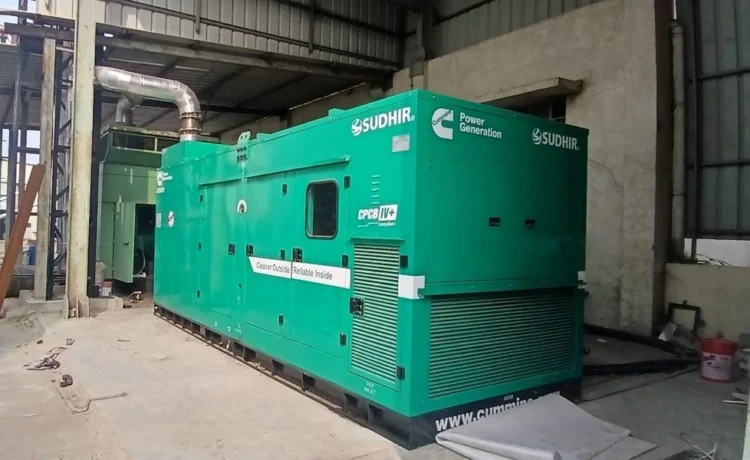
Heavy equipment needs steady power during intense operations. Reliable sources prevent costly stoppages on tough sites. Crews select a 200kva generator to keep machines running without interruption. Proper matching of output to demand raises overall output. Regular checks maintain that steady supply through long shifts.
Matching Power Output to Load
Correct sizing stops overload or wasted capacity. Units deliver the right level for connected tools and motors.
Extra attention to peak demand periods keeps performance stable. Operators note the highest draws and plan accordingly.
Maintaining Consistent Voltage Levels
Stable voltage protects sensitive controls and motors from damage. Fluctuations drop when the unit runs within safe ranges.
Simple monitoring during shifts catches early signs of drift. Quick adjustments restore balance before tools suffer.
Optimising Fuel Use During Operation
Efficient running extends work time between refuels. Load management reduces unnecessary consumption under varying demands.
Balance connected tools to avoid excess idle running. Schedule high draw tasks during cooler periods of the day. Clean air filters often to support full combustion efficiency. Track daily fuel use against output hours for patterns. Switch to economy mode when loads stay below peak levels.
Teams gain clearer control when they apply the 200kva generator across mixed equipment sets. Shared logs of fuel and load help refine daily plans.
Training Operators on Load Balance
Skilled handling spreads demand evenly across available capacity. Trained crews avoid sudden spikes that stress the unit.
Show each operator how to add tools in measured steps. Practice load sharing when several machines start together. Review daily logs to spot and correct uneven draws. Confirm every crew member knows the safe continuous limit.
Monitoring Exhaust and Heat Levels
Rising heat or unusual exhaust signals problems early. Close watch during long runs protects the core engine parts.
Check exhaust colour at the start and midpoint of shifts. Feel housing temperatures after heavy load periods end. Clear any debris from heat outlets before the next start. Note any sudden heat rise and reduce load at once.
Protecting Units from Harsh Conditions
Dust, moisture, and heat shorten service life if ignored. Basic covers and placement choices reduce exposure risks.
Place the unit on level ground away from debris piles. Inspect cooling vents daily for blockages after dusty work. Secure weather covers during overnight or storm periods.
| Load Type | Typical Use | Care Notes |
|---|---|---|
| Continuous | Steady tool and motor operation | Check oil levels every shift. Clean filters weekly. |
| Peak | Short high demand bursts | Allow cool down after each surge. Monitor temperature. |
| Standby | Backup during main supply loss | Test weekly under light load. Keep fuel fresh. |
These options guide daily setup choices for different site needs. Matching the load type to the work raises reliability over full shifts.
Common Questions Answered
· What size suits mixed heavy tools? A unit rated near the total connected demand works best.
· How often should filters be cleaned? Inspect and clean after every dusty shift for best results.
· Can one unit support several machines at once? Yes, when total draw stays within the rated continuous capacity.
· Does altitude affect output levels? Higher elevations reduce available power, so derate accordingly.
· What signals early performance drop? Rising fuel use or voltage swings often appear first.
Steady Output Gains
Careful load matching and daily care raise equipment run times across tough sites. Measured fuel tracking and voltage checks close the gaps that waste hours. Teams that follow the same review steps each day keep units ready for peak demands. Simple placement and filter habits extend service intervals without complex tools. Consistent application of these steps delivers higher productivity through reliable power supply.